Goat Farming — Professional Certificate Course
A practical introductory-to-intermediate training programme covering goat-farm planning, housing, feeding, breeding, kidding, health, records, economics and market planning.
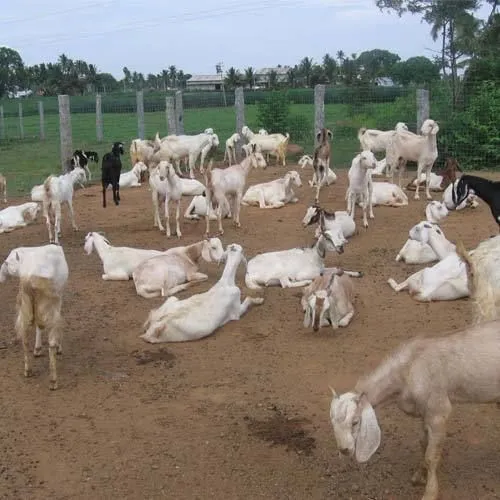
Publication Note: This is an educational course framework. It should not be presented as a government-recognized qualification unless the applicable recognition/approval has actually been obtained. Vaccination, treatment and disease-control decisions should follow qualified veterinary guidance and local requirements.
Build Practical Goat Farming Knowledge
Goat farming is presented as a managed livestock enterprise. Learners are introduced to the decisions involved in setting up and operating a goat unit: selecting suitable animals, designing practical housing, planning feed and fodder, managing breeding and kidding, maintaining hygiene and records, recognizing health risks, and assessing basic farm economics.
What You Will Learn
- Understand goat-production fundamentals and enterprise planning.
- Identify key factors for breed and animal selection.
- Plan basic housing, sanitation, ventilation, drainage and farm layout.
- Develop practical feeding and fodder-management routines.
- Understand breeding, pregnancy, kidding and newborn-kid management.
- Recognize health risks and understand preventive management.
- Maintain production, health, breeding and financial records.
- Prepare a simple goat-farm budget and operating plan.
- Understand basic marketing and customer planning.
Course at a Glance
Suggested Duration
30 Days / approximately 60 training hours
Delivery
Classroom + demonstrations + practical/field exposure
Eligibility
Students, farmers, rural entrepreneurs, self-employment candidates and beginners
Entry Level
No prior goat-farming qualification required
Assessment
Theory test + practical observation + assignment/project
Certificate
Certificate of Completion, subject to association/training-centre policy
Module-Wise Syllabus
A structured 10-module programme covering goat production, infrastructure, nutrition, breeding, health, economics and marketing.
Introduction to Goat Farming
- Role of goats in smallholder and commercial livestock systems
- Types of goat enterprises and production objectives
- Meat, milk, breeding-stock and mixed-enterprise concepts
- Farm location, labour, water, feed and market considerations
- Basic farm planning and risk awareness
Breed Selection & Healthy Animal Identification
- Breed selection criteria: climate, production goal, availability and management system
- Understanding desirable body condition and basic conformation
- Observing appetite, activity, coat, eyes, breathing and general condition
- Selecting replacement animals and maintaining identification records
- Quarantine principles for newly introduced animals
Goat Shed Design & Farm Infrastructure
- Location, orientation, ventilation, drainage and cleanliness
- Space planning, flooring, partitions, feeders and water points
- Kid area, sick/isolation area and feed-storage concepts
- Manure collection and waste-management planning
- Low-cost and scalable housing considerations
Feeding, Nutrition & Fodder Management
- Basic nutrient concepts: energy, protein, minerals, vitamins and water
- Forage, browse, fodder and supplementary-feed concepts
- Age- and production-stage feeding plans
- Clean water and mineral-supplementation considerations
- Feed storage, hygiene and avoiding sudden feed changes
- Preparing a sample daily feed budget and fodder calendar
Breeding Management
- Breeding objectives and selection of breeding stock
- Heat/estrus observation and mating-management concepts
- Breeding records and kidding planning
- Buck management and controlled-breeding concepts
- Understanding inbreeding risk and replacement planning
Pregnancy, Kidding & Newborn Kid Management
- Pregnancy management and preparing a clean kidding area
- Recognizing signs of approaching kidding
- Basic kidding observation and when veterinary assistance may be required
- Colostrum importance and early kid care
- Monitoring doe and kid after kidding
- Identification and growth records
Health, Vaccination & Disease Prevention
- Daily health observation and early warning signs
- Farm hygiene, isolation and biosecurity
- Parasite-control concepts and responsible deworming practices
- Vaccination planning according to local veterinary advice
- Common health problems: recognition, prevention and referral
- Safe medicine handling and treatment records
Farm Hygiene, Biosecurity & Daily Management
- Daily, weekly and monthly routines
- Cleaning, disinfection and visitor control
- Feed and water hygiene
- Isolation procedures for sick animals
- Waste-management considerations
Records, Farm Economics & Business Planning
- Animal identification and herd register
- Breeding, kidding, health, mortality and growth records
- Feed, labour, medicine and operating-cost records
- Capital-cost versus recurring-cost concepts
- Simple revenue, cost and break-even calculations
- Preparing a one-page farm business plan
Marketing, Sales & Farm Expansion
- Identifying local buyers and market channels
- Planning sales and buyer communication
- Basic negotiation and customer records
- Transport, documentation and animal-welfare considerations
- When and how to consider expansion
Learn Through Practical Activities
Farm Layout
Prepare a simple layout showing housing, feed storage, water, isolation and manure areas.
Healthy-Animal Observation
Complete a structured observation sheet for activity, appetite, body condition and visible signs.
Housing & Equipment
Identify essential housing features, feeders, drinkers, cleaning tools and safety requirements.
Feed & Fodder Plan
Prepare a sample feeding/fodder plan for a defined class of animals under trainer guidance.
Breeding & Kidding Records
Complete sample breeding, pregnancy and kidding records.
Biosecurity Routine
Demonstrate a daily hygiene and isolation checklist.
Farm Economics
Prepare a basic capital-cost, recurring-cost and expected-revenue worksheet.
Business Plan
Present a simple goat-farm plan covering animals, housing, feed, labour, health, records and marketing.
By the End of the Course
- Explain the basic goat-production cycle and key management decisions.
- Evaluate basic housing and infrastructure requirements.
- Prepare a sample feeding/fodder schedule and maintain feed records.
- Maintain breeding, kidding and identification records.
- Apply basic hygiene and biosecurity routines.
- Recognize situations requiring prompt veterinary consultation.
- Prepare a basic farm budget and business plan.
- Identify local market opportunities and plan a basic sales process.
Essential Farm Records
How the Course Is Assessed
Goat Farm Business Plan
Each learner prepares a practical Goat Farm Business Plan covering enterprise objective, location, herd plan, breed-selection rationale, shed layout, feeding/fodder plan, breeding plan, health/biosecurity plan, records, estimated costs, revenue assumptions, marketing approach and first-year action plan.
Start Your Goat Farming Journey with Practical Knowledge
The Goat Farming Professional Certificate Course is designed for beginners, farmers, students and rural entrepreneurs who want practical knowledge of goat-farm management. The programme covers breed selection, housing, feeding, breeding, pregnancy and kidding, newborn-kid care, health and biosecurity, farm records, economics and marketing. Learners combine classroom learning with demonstrations and practical exercises to develop a structured goat-farm plan.
Course Highlights
What You Will Learn
Farm planning • Breed selection • Shed management • Feeding & fodder • Breeding • Kidding & kid care • Health & biosecurity • Records • Farm economics • Marketing
Who Can Join
Farmers • Students • Rural entrepreneurs • Beginners • Self-employment candidates
Training Format
Theory + practical demonstrations + field exposure where available + assessment
12 — Trainer Guidance
Examples should be adapted to local breeds, climate, feed availability and production systems. Disease treatment, medication, vaccination schedules and emergency interventions should not be taught as one-size-fits-all instructions; learners should be directed to qualified veterinary professionals and applicable local rules.